How to Choose the Right HVAC System for Your Home Jun 08, 2026
Before diving into the specifics of different HVAC systems, it’s essential to assess the size of your home. The size directly influences the type and size of the HVAC system you’ll need. An undersized system will struggle to maintain comfort, while an oversized one may increase energy costs unnecessarily. Start by consulting with professionals who can perform a load calculation, which considers factors like your home’s square footage, layout, and insulation quality.
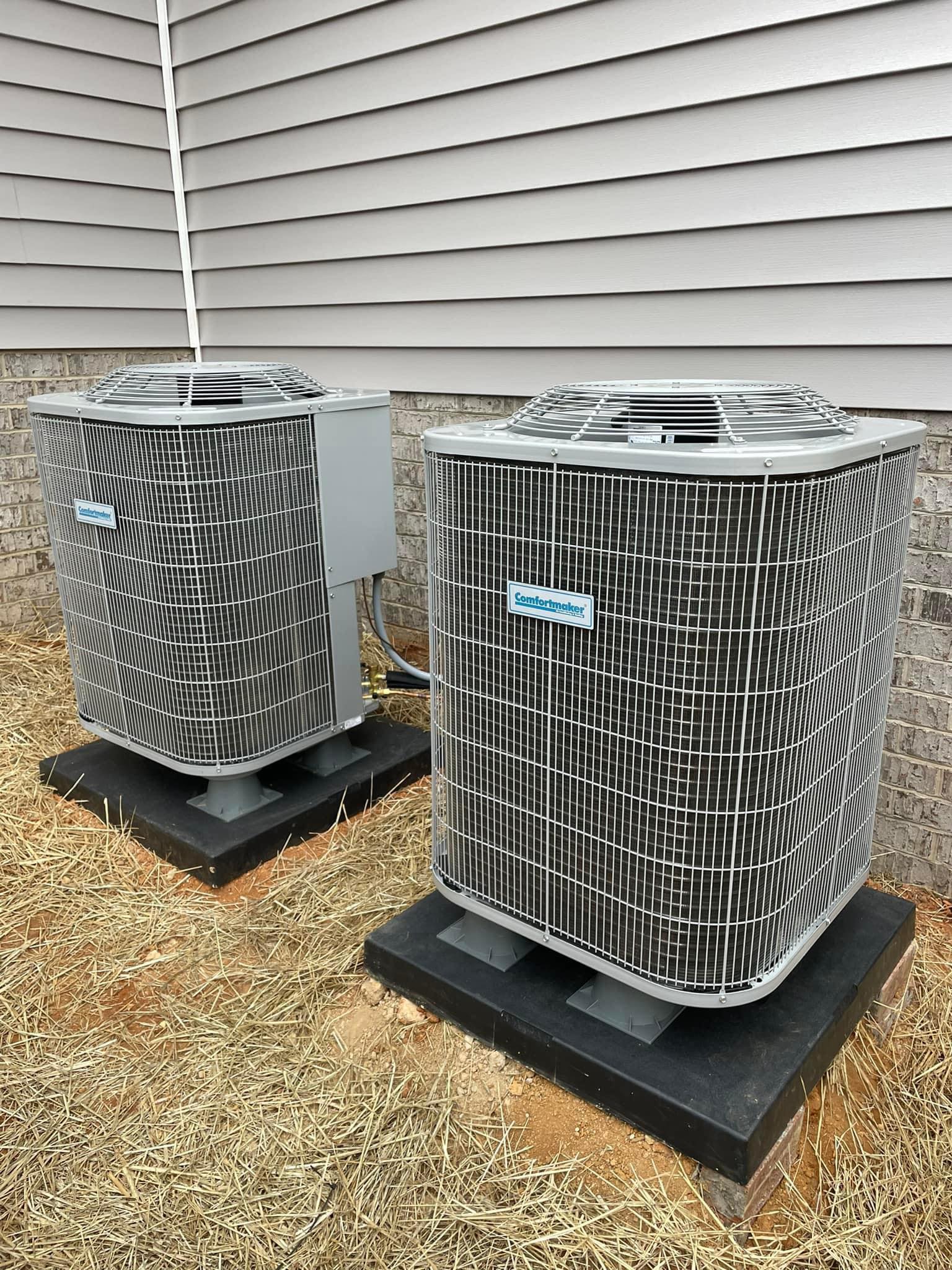
Once you have a clear understanding of your home’s requirements, consider the types of HVAC systems available. Central air conditioning systems are popular for their ability to maintain a consistent temperature throughout your home. However, if your house doesn’t have existing ductwork, it may be cost-prohibitive.
Alternatively, ductless mini-split systems provide a flexible solution. Ideal for homes without ductwork, these systems offer zoned heating and cooling, allowing you to adjust temperatures in individual rooms. This adaptability can lead to significant energy savings over time.
Heat pumps are another efficient choice, especially in milder climates. By transferring heat rather than generating it, heat pumps can provide both heating and cooling, reducing the need for separate systems. Their energy efficiency makes them an attractive option for eco-conscious homeowners.
When considering efficiency, look for systems with a high Seasonal Energy Efficiency Ratio (SEER) rating. A higher SEER rating indicates a more efficient system, which can translate to lower energy bills. Additionally, check for the ENERGY STAR rating, which signifies compliance with strict energy efficiency guidelines set by the U.S. Environmental Protection Agency.
Budget is another critical factor in choosing an HVAC system. While the initial cost of a high-efficiency system may be higher, the long-term savings on energy bills can offset this expense. It’s essential to factor in both installation costs and potential energy savings when determining your budget.
Don’t forget about the importance of indoor air quality. Modern HVAC systems often include features like air purifiers and humidifiers that can improve your home’s air quality and your family’s health. If indoor air quality is a priority, look for systems that offer advanced filtration systems.
Once you have shortlisted the potential systems, consider their maintenance requirements. Regular maintenance is vital for ensuring the efficiency and longevity of your HVAC system. Discuss with your HVAC provider about their maintenance packages and support services to keep your investment running smoothly.
In conclusion, choosing the right HVAC system for your home involves assessing your needs, considering energy efficiency, and balancing your budget. By working with a trusted HVAC partner like Biddinger Heating & Cooling, you can ensure a selection that enhances your comfort while maximizing efficiency and sustainability. With our commitment to quality and customer satisfaction, we are here to guide you every step of the way. Contact us today to schedule a consultation and take the first step towards a more comfortable home environment.
/filters:no_upscale()/filters:format(webp)/media/dd4a0c16-ac99-4c3e-b5e0-2935269eb3ca.jpeg)